With energy costs soaring and environmental concerns taking center stage, the demand for energy-efficient solutions has never been higher. One of the innovative answers to these challenges lies in the smart automation and energy-saving designs of commercial roller window shades. These advanced systems not only offer functionality but also contribute significantly to reducing energy consumption in commercial spaces. As businesses aim for sustainability, understanding the benefits of these shades becomes crucial.
Market data support the massive scale of this industry and its role in modern infrastructure. The shift toward specialized window treatments is backed by significant financial investment across the United States. According to Grand View Research, the U.S. blinds and shades market generated a revenue of USD 4.24 billion in 2024. This substantial market valuation reflects the growing priority that property owners and facility managers place on high-quality, high-performance window coverings. Businesses are moving away from basic utilitarian covers toward integrated systems that serve as a primary line of defense against solar heat gain.
Upgrading from Manual Blinds to Automated Systems
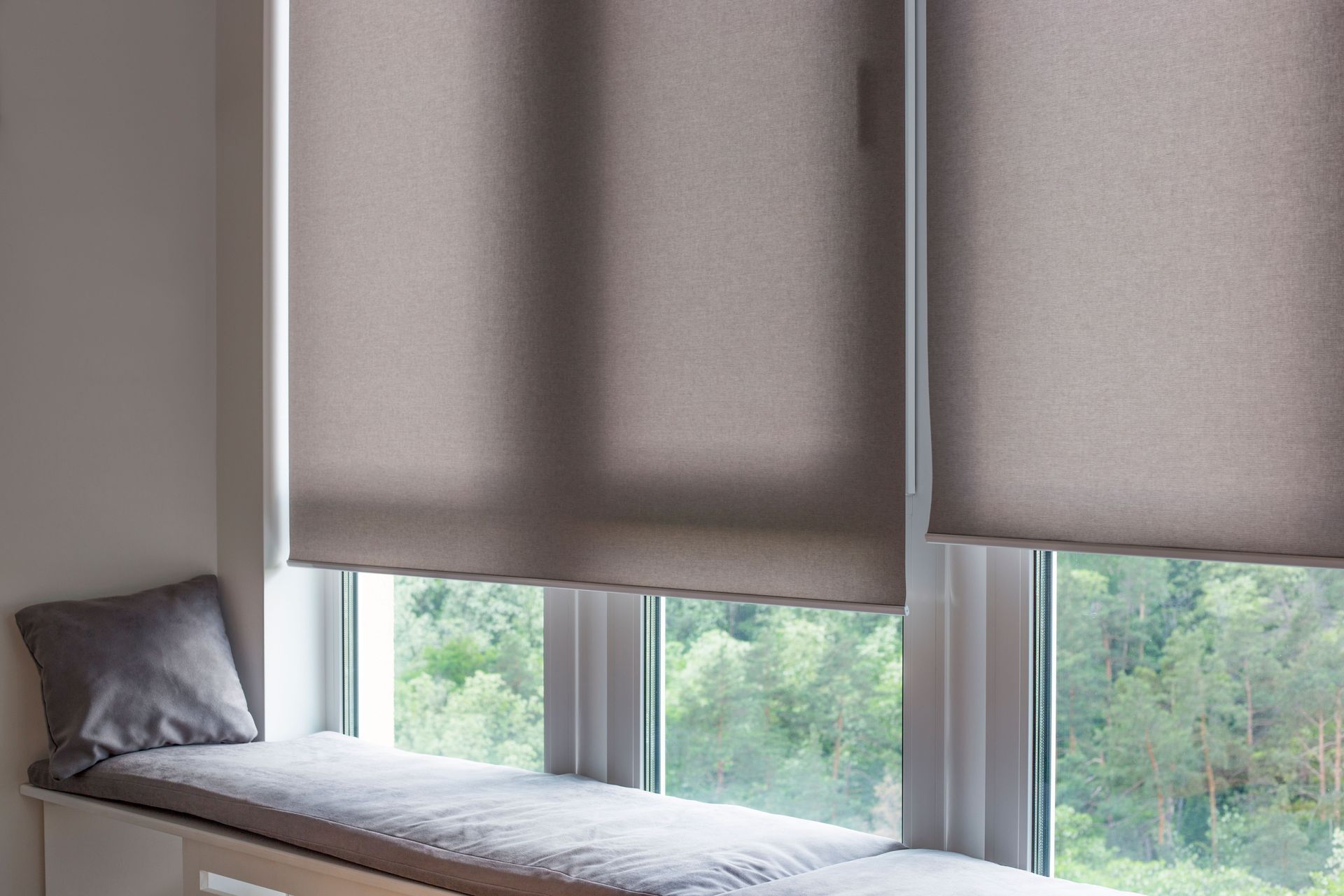
Traditionally, window coverings were simple manual devices meant to block or filter sunlight. Early designs were utilitarian, focusing more on function than form, and primarily made of fabric or basic materials. As buildings started incorporating more glass elements for aesthetic reasons, the demand for functional and visually appealing window shades grew. The shift began with more intricate designs that provided varying levels of light control. These early developments set the stage for the technological advancements that would later redefine window shading systems.
The progression of commercial roller window shades reflects a broader pattern of technological advancement. Over the years, these shades have moved from simple pull-down blinds to sophisticated systems integrated with smart technology. Developments in materials, along with evolving design philosophies, have led to the creation of window coverings that complement modern architecture while enhancing energy efficiency. This change has been driven by both technological innovation and consumer demand for more dynamic and adaptable solutions.
Driven by necessity as well as innovation, the window shade industry has continuously adapted to meet new standards. Environmental concerns and the economic imperative to reduce energy consumption propelled further advancements. Manufacturers responded by developing shades that were not only visually appealing but also capable of providing thermal management. As the industry progressed, additional features such as motorization and programmable settings were introduced, paving the way for the integration of smart technologies.
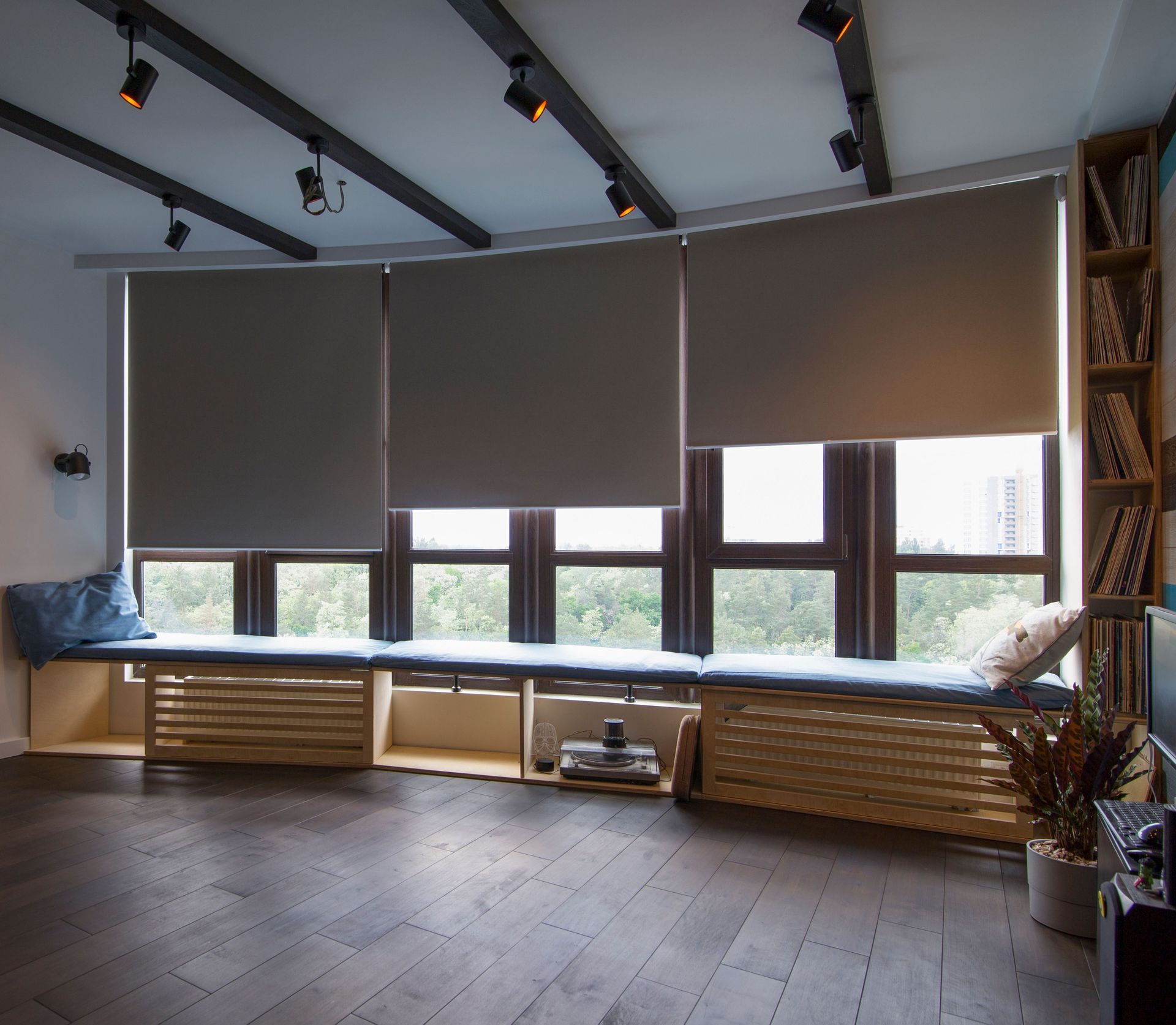
Initially, window shades were operated manually, requiring physical effort to adjust the level of sunlight entering a room. The move from manual to automated systems represented a significant milestone in the industry. Automation allowed for ease of use, enabling users to control shades with minimal effort. Motorized systems became increasingly sophisticated, with remote controls and programmable settings offering unprecedented convenience. This transition was marked by innovation designed to meet user demands for comfort and functionality.
The integration of motorized systems not only enhanced user convenience but also laid the groundwork for further technological integrations. Automation enabled the development of systems that could adjust based on time of day or changing weather conditions. This allowed for greater control over indoor environments, optimizing energy use and promoting comfort with minimal intervention by the user. With the advent of smart technology, these systems became even more advanced, incorporating features such as scheduling, sensor interactions, and connectivity with other smart devices.
Motorized window shades epitomize the broader trend toward automation in commercial settings. By enhancing the usability and functionality of roller shades, automation has transformed how businesses approach indoor climate management. This shift reflects a broader commitment to integrating technology in building management and design. By automating window shades, businesses can significantly reduce energy costs while maintaining optimal indoor environments. This change also underscores the increasing intersection of technology and interior design.
Leveraging Smart Sensors for Optimal Climate Control
Sensors play a crucial role in the functionality of smart automated window shades. They enable the shades to respond automatically to environmental changes, optimizing their performance for both comfort and energy conservation. Different types of sensors, such as light sensors, motion sensors, and temperature sensors, are commonly used in these systems. Light sensors can detect changes in sunlight intensity, adjusting the shades accordingly to maintain optimal lighting conditions. Meanwhile, motion sensors can determine the presence of occupants in a room, allowing the shades to open or close as required, enhancing energy savings when spaces are unoccupied.
The application of sensors in smart window shades is a testament to the increasing sophistication of these systems. By allowing shades to respond dynamically to the environment, sensors significantly enhance the user experience. Automated adjustments mean that manual intervention is reduced, and energy efficiency is maximized through precise light and temperature control. The strategic placement of sensors ensures that energy management is always optimized in commercial spaces, providing consistent advantages across different areas of a building. This level of automation is beneficial not only for reducing operational costs but also for maintaining comfort for occupants.
By using sensors, smart window shades can also contribute to enhanced security and privacy. Motion sensors can detect unexpected movements, prompting the shades to close for security purposes. Similarly, light sensors can act discretely by adjusting shades to maintain privacy during sensitive times of day. These applications demonstrate the expanding potential of sensors beyond simple environmental adjustments, leading to innovations that could integrate security measures with energy management systems. Sensors are indispensable components in creating intelligent window shade systems that align with modern commercial priorities.
Utilizing Advanced Fabrics for Improved Thermal Regulation
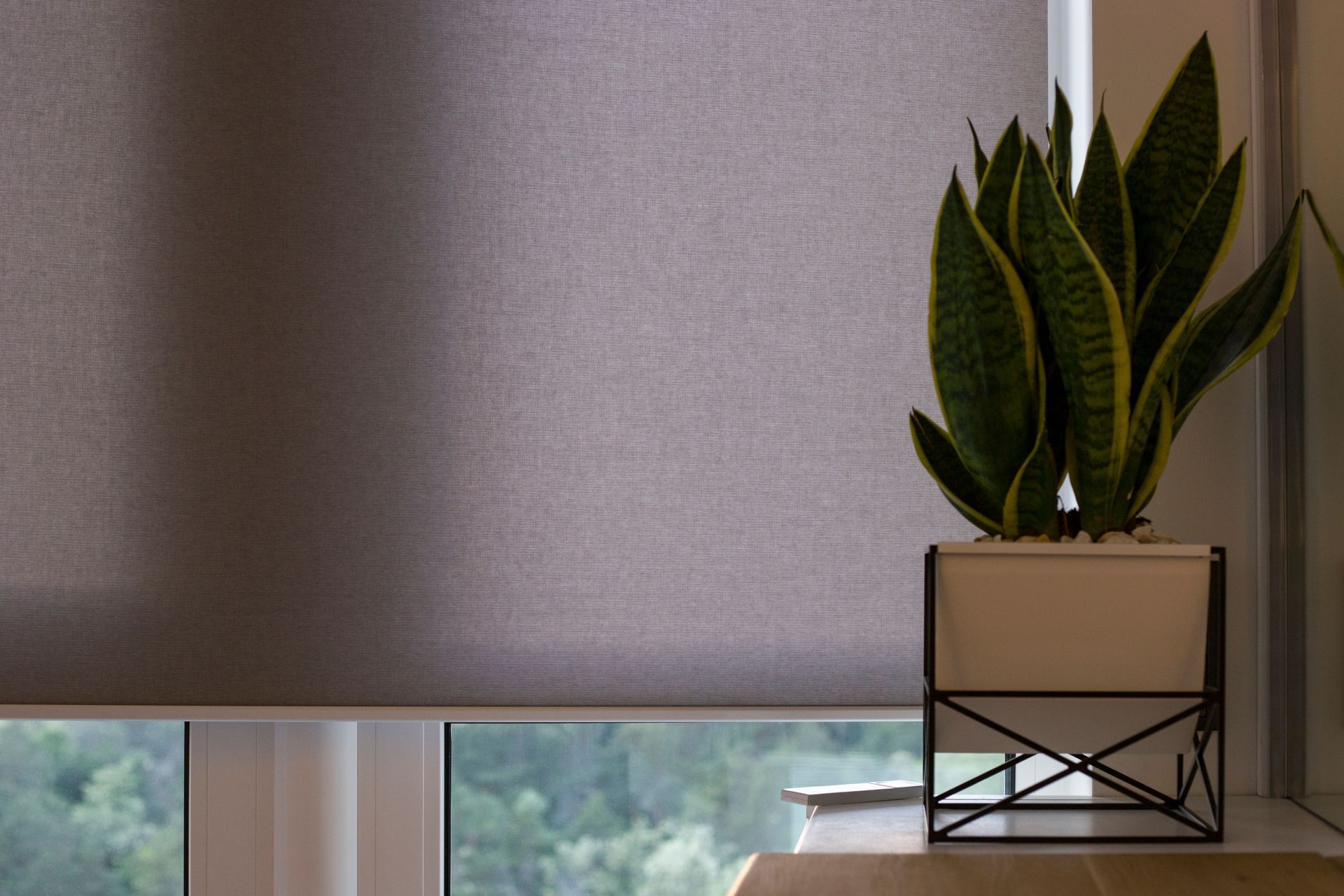
Material innovations have been central to the design of energy-saving commercial window shades. New developments in textiles and materials have enabled shades to provide more effective thermal regulation, optimizing interior climates without the need for excessive heating or cooling. Advanced materials can block or filter light to maintain comfortable temperatures while contributing to aesthetic appeal. By using materials designed for thermal efficiency, manufacturers have created shades that function as integrated components of energy management systems, reducing reliance on mechanical climate control technologies.
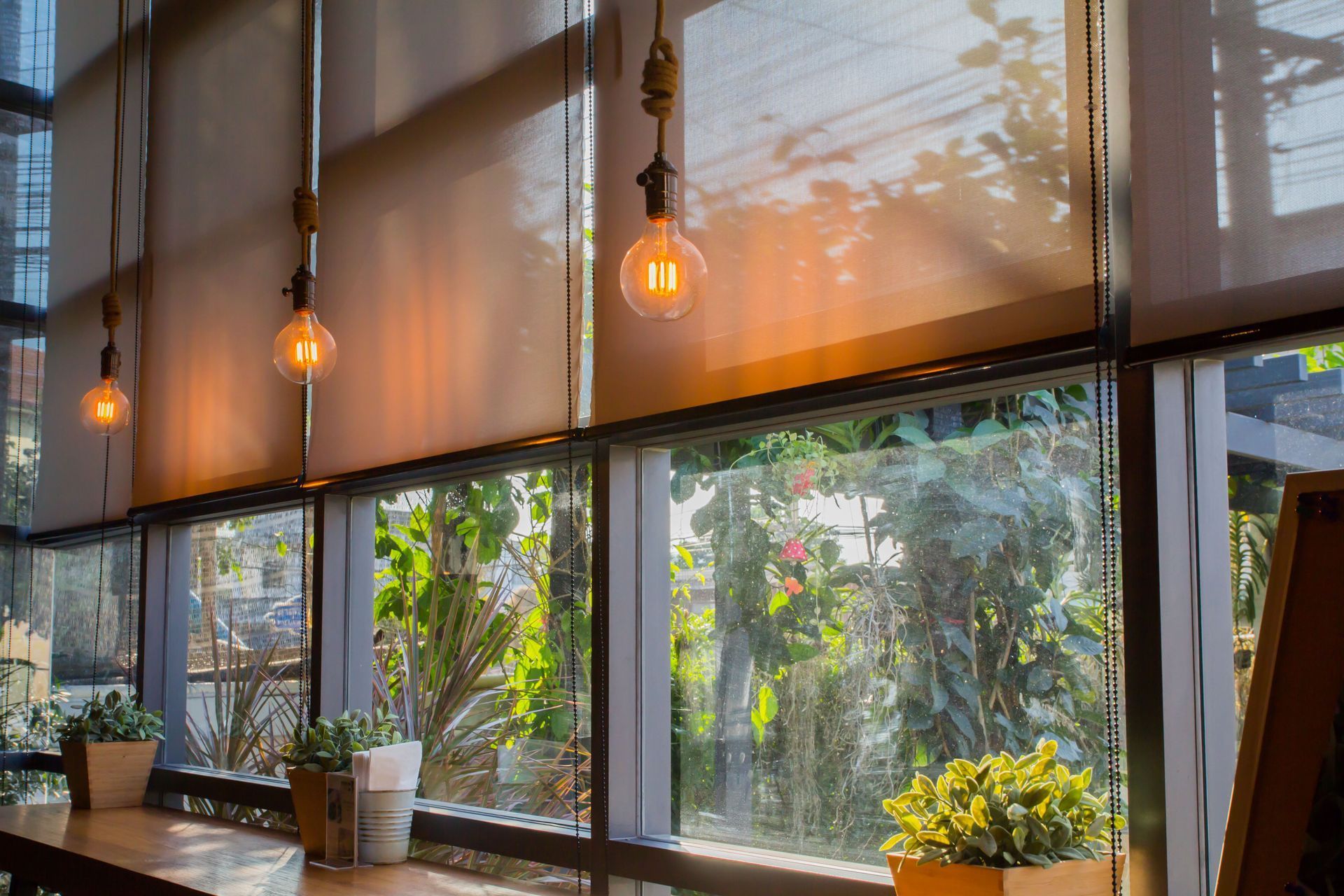
Optimal use of natural light is a critical component of energy savings in modern commercial environments. Smart window shade systems can enhance daylighting strategies by allowing more precise control over how much light enters a building, thus reducing the need for artificial lighting. By using automated adjustments, shades can maintain ideal light levels throughout the day, promoting energy savings. These systems contribute to improved occupant comfort and well-being, essential elements in maintaining productive workspaces. The strategic use of natural light through smart window shades enhances energy efficiency while supporting broader sustainability initiatives.
Choosing the right shading solution is an essential step in modern building management. The technical changes in the industry have provided facility managers with tools that were unimaginable a few decades ago. From IoT connectivity to advanced thermal textiles, every component of a modern shade is designed to improve the bottom line while enhancing the occupant experience. By investing in professional window shades, commercial enterprises secure their infrastructure against rising energy costs and environmental challenges. This commitment to quality and innovation ensures that commercial spaces remain productive, comfortable, and sustainable for the long term.
Are you ready to optimize your commercial space for maximum energy efficiency and comfort? Reach out to Modern Shade today to explore the latest innovations in
window shades and discover how automated designs can transform your building's performance!