Keeping a home cool during hot weather often requires heavy reliance on air conditioning. However, untreated windows can allow a large amount of solar heat to enter indoor spaces. This heat gain raises interior temperatures and forces cooling systems to work harder. Over time, that increased workload leads to higher energy bills and unnecessary strain on HVAC equipment.
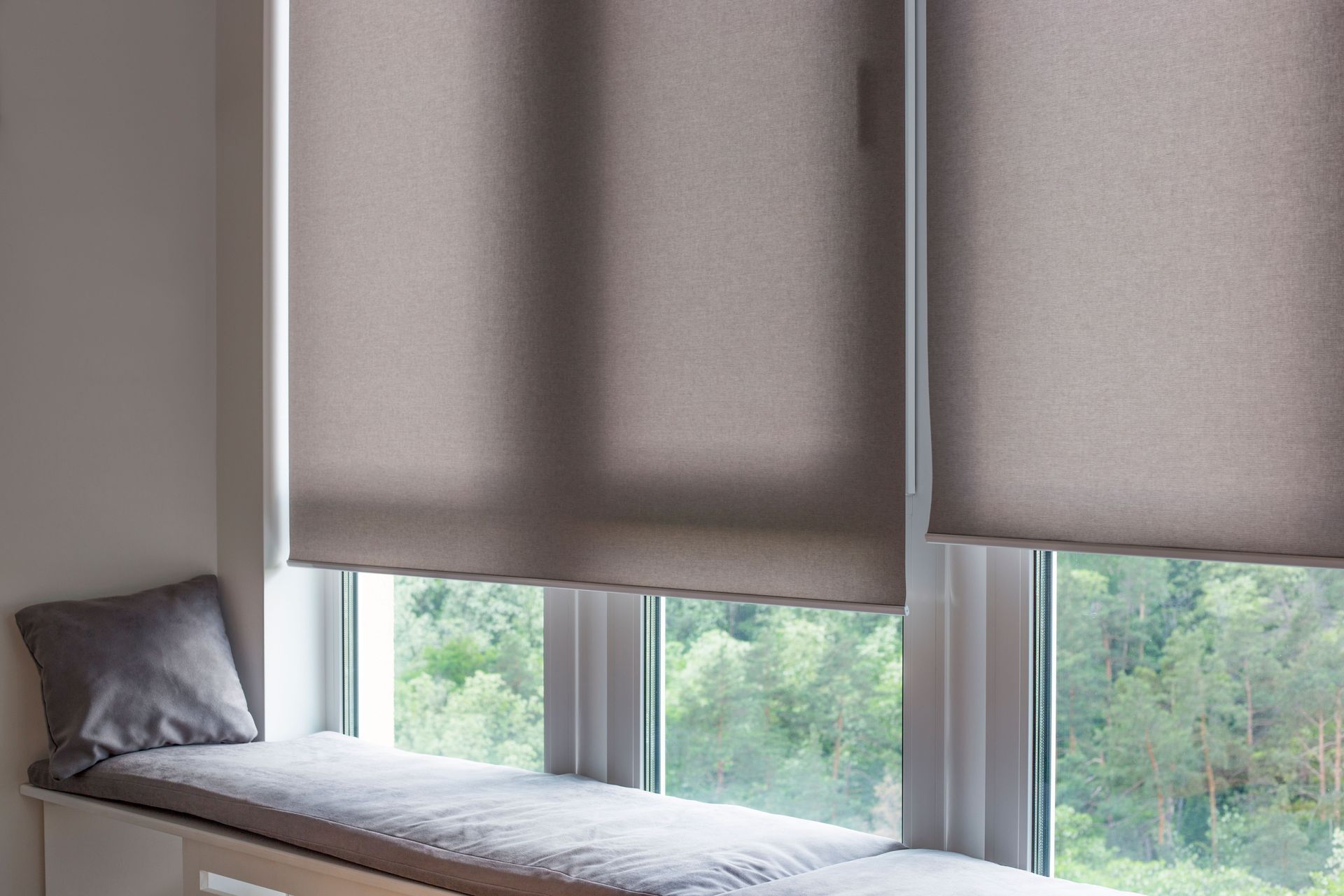
One effective way to manage indoor temperatures is by installing window shades. These coverings act as a barrier between direct sunlight and the interior of a home. When sunlight passes through glass, it transforms into heat that becomes trapped indoors. Shades help block a portion of that radiation before it spreads throughout the room.
Preventing Heat Loss During Winter Months
Energy efficiency is not just a concern during summer. Cold weather presents a different challenge: preventing indoor heat from escaping. Windows are one of the most common sources of heat loss in a home because glass transfers heat more easily than insulated walls. When warm indoor air meets cold window surfaces, heat naturally moves outward. This process forces heating systems to run longer to maintain comfortable indoor temperatures. Over time, that constant cycling increases energy use and utility expenses.
Installing window shades can help slow down this heat transfer. Insulating designs, such as cellular or layered shades, create pockets of trapped air that reduce the movement of heat through the window. This additional layer acts similarly to insulation in walls by limiting temperature exchange. Closing shades at night during winter is particularly effective. Outdoor temperatures drop significantly after sunset, which increases the rate of heat loss through glass. By lowering shades before bedtime, homeowners can help keep warm air inside longer.
Some modern designs also include thermal backings or reflective materials that improve their insulating properties. These features can make a noticeable difference in rooms with large windows or older glass that lacks modern energy-efficient coatings. The result is a home that retains warmth more effectively. When less heat escapes, furnaces and heat pumps do not need to run as frequently, which helps reduce overall energy usage during the colder months.
Improving Insulation Through Smart Design
Not all window coverings provide the same level of insulation. The design and construction of a shade play a major role in how well it contributes to energy efficiency. Choosing the right style can significantly enhance the performance of a home's windows. Cellular shades are among the most energy-efficient options available. Their honeycomb-shaped pockets trap air within the structure of the shade, forming a buffer between indoor and outdoor temperatures. Some designs even include double or triple layers of cells for improved insulation.
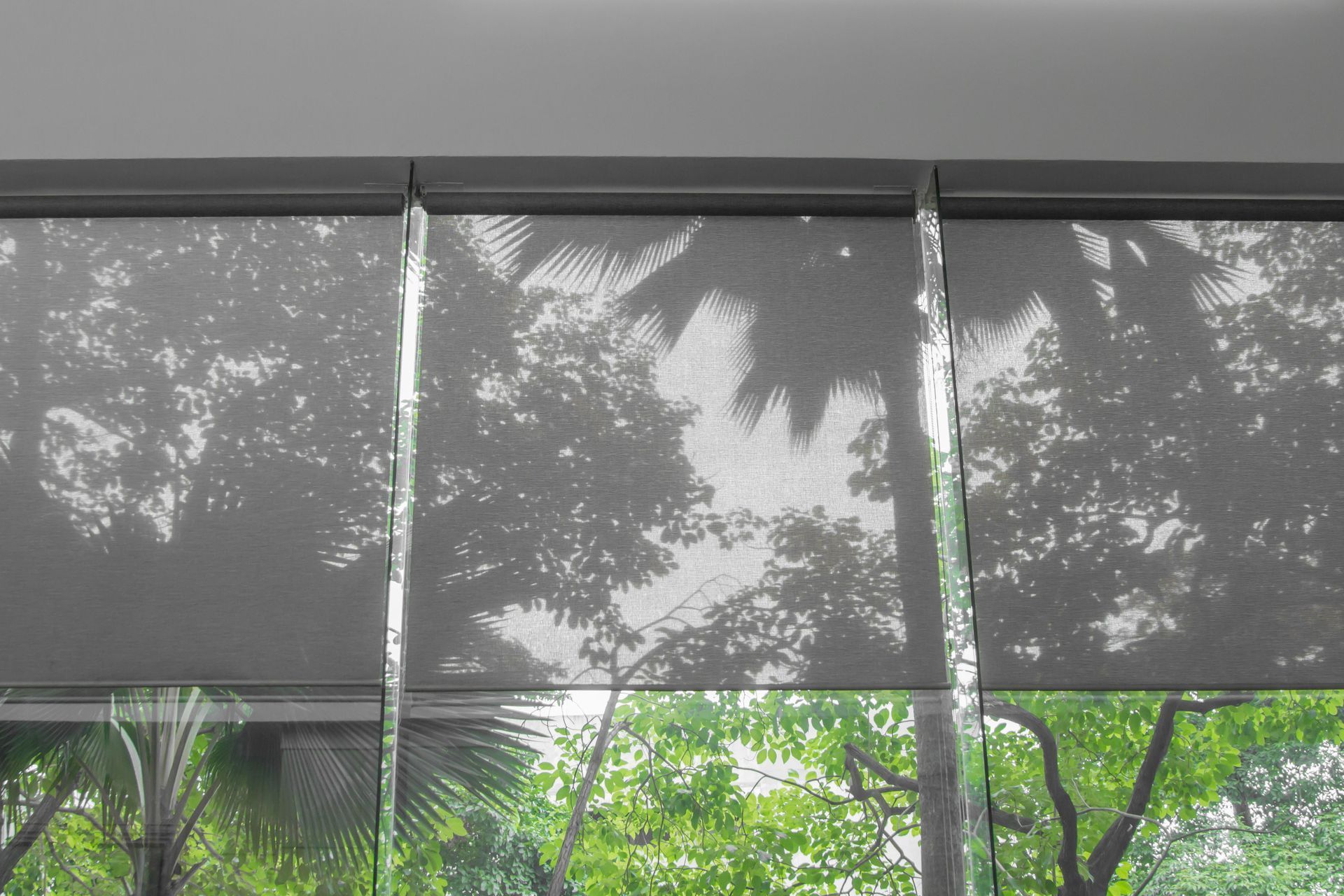
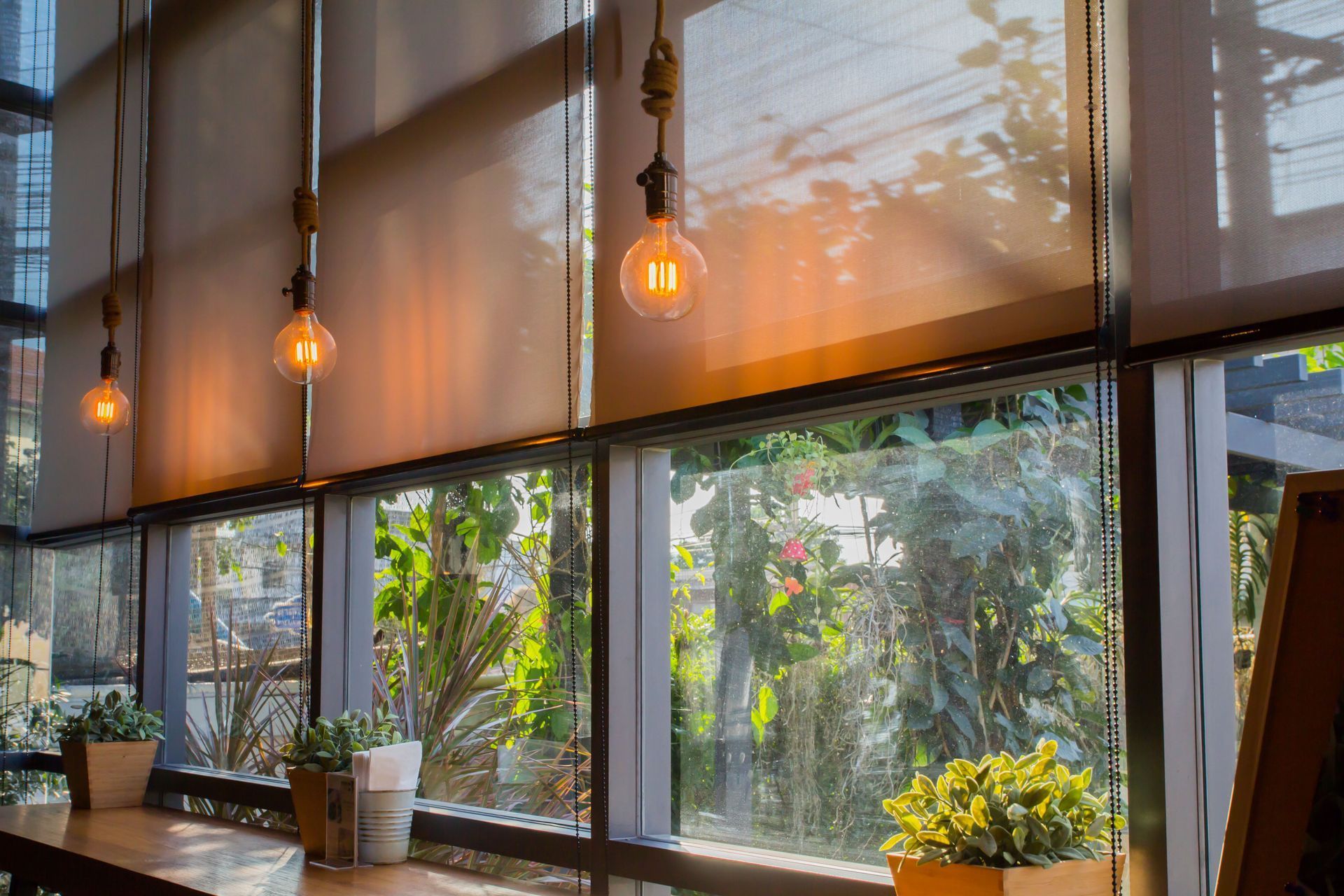
Solar shades serve a different purpose but still contribute to energy savings. These shades are made with tightly woven fabrics that filter sunlight. They allow natural light to enter while reducing glare and limiting heat buildup from direct sun exposure. Layered shades combine functionality and aesthetic appeal. Their alternating bands of sheer and opaque fabric allow homeowners to adjust light levels throughout the day without completely blocking the view. While their insulation may vary depending on the material, many modern designs incorporate energy-conscious fabrics. By reducing the amount of heat entering or leaving through windows, they help maintain comfortable indoor conditions year-round.
Lowering Energy Consumption in Everyday Living
Energy efficiency improvements do not always require major renovations. In many cases, small upgrades can make a meaningful difference in how a home uses electricity and heating fuel. Installing window shades is one such upgrade. Once installed, they work passively every day to reduce unwanted heat transfer. This means homeowners benefit from energy savings without needing to constantly adjust thermostats or operate additional equipment.
For example, lowering shades during the hottest part of the afternoon can prevent rooms from overheating. In winter, closing them after sunset helps preserve indoor warmth. These simple habits reduce the demand placed on heating and cooling systems. Over time, these energy reductions add up. Air conditioners and furnaces account for a large portion of household energy consumption. Any improvement that reduces their workload can lead to noticeable savings on utility bills.
There are also environmental benefits to consider. Lower energy use means fewer greenhouse gas emissions from power plants and heating systems. By making small adjustments to how a home manages heat and sunlight, homeowners contribute to broader sustainability efforts. Another advantage is improved comfort. Rooms with large windows can sometimes feel drafty in winter or overly warm in summer. Properly fitted shades help moderate these temperature swings, creating a more pleasant indoor environment throughout the year.
Enhancing Efficiency With Professional Installation
While many window treatments appear simple, proper installation plays an important role in maximizing their effectiveness. A poorly fitted shade can leave gaps around the edges, allowing heat or cold air to move freely through the window area. Professional installation ensures the shade fits the window correctly and operates smoothly. Installers measure each opening carefully to determine the best mounting option, whether inside the window frame or above it. This precision helps minimize gaps that could reduce insulation performance.
Correct mounting also improves durability. Shades that are not installed securely may tilt, jam, or wear out prematurely. Professional installers understand the hardware requirements and structural considerations needed for long-lasting performance. The installation process itself is typically quick and straightforward. According to HomeGuide, having a specialist install a shade can take anywhere from about 10 minutes to roughly an hour for each window, depending on the design and mounting requirements.
Supporting Long-Term Home Sustainability
Energy-efficient homes are becoming increasingly important as homeowners seek ways to reduce utility costs and environmental impact. While insulation, appliances, and HVAC systems often receive the most attention, windows and window shades also play a significant role in overall efficiency. Adding window shades can complement other energy-saving upgrades by addressing one of the most common sources of heat transfer. Windows account for a substantial percentage of heat gain and loss in many homes, especially those with large glass areas.
When shades work together with insulated walls, efficient HVAC systems, and proper ventilation, the result is a more balanced indoor environment. These combined improvements help reduce the amount of energy required to maintain comfortable living conditions. Another advantage is flexibility. Unlike permanent renovations, shades can be adjusted throughout the day to adapt to changing weather and sunlight conditions. This adaptability allows homeowners to manage heat and light levels in real time.
Over the long term, these benefits contribute to both financial savings and increased home value. Energy-efficient homes are attractive to buyers who want lower operating costs and improved comfort. Additionally, modern shade designs are available in a wide range of colors, fabrics, and styles. This allows homeowners to enhance interior aesthetics while still prioritizing efficiency. The ability to combine visual appeal with practical performance makes shades a versatile home improvement.
Choosing Energy-Conscious Window Solutions
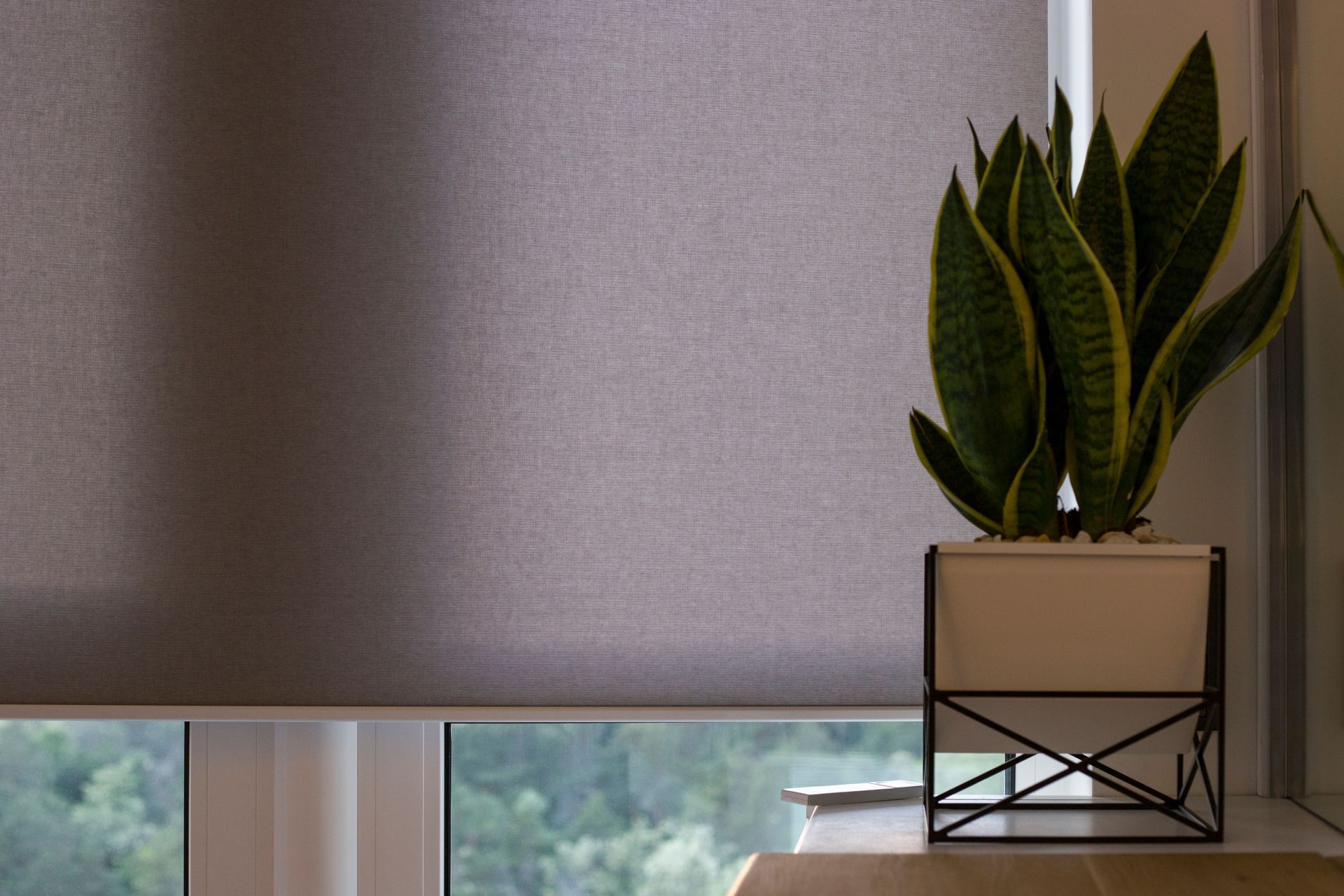
Selecting the right window treatment involves more than simply choosing a color or pattern. Homeowners should consider how the material, opacity, and design affect both light control and thermal performance. For rooms with intense sunlight exposure, solar-filtering fabrics can reduce glare while preventing excessive heat buildup. Bedrooms and media rooms may benefit from blackout designs that block light completely while adding an extra layer of insulation.
Cellular designs remain one of the most popular options for energy-conscious homeowners because of their superior insulating structure. The air pockets within the cells help regulate indoor temperatures more effectively than many flat fabric coverings. Motorized systems also offer an additional efficiency advantage. Automated shades can be programmed to lower during the hottest part of the day or close at sunset during colder months. Ultimately, the goal is to create a window solution that balances comfort, design, and energy savings. When chosen thoughtfully, shades can become a quiet but powerful contributor to household efficiency.
Professionally installed window shades can help reduce heat gain in summer, retain warmth in winter, and create a more comfortable indoor environment throughout the year. With the right materials and proper installation, they can become a valuable part of an energy-conscious home. If you’re ready to upgrade your windows and lower energy costs, contact Modern Shade today. Our team can help you choose the right style, fabric, and fit to ensure your home benefits from high-quality window shades designed for comfort, efficiency, and long-term performance.