By Eric Auffant
December 16, 2025
When we embark on the journey to outfit a home with window shades, we begin by evaluating the functional objectives for each space. Every room has its own operational mandate — some prioritize privacy, others prioritize natural light, and still others balance energy efficiency with aesthetic considerations. Understanding the core purpose of each area helps inform the ideal selection of window shades that align with both practical and design-driven outcomes.
In a living room, for example, residents often desire an atmosphere that feels open and inviting during the day, yet offers privacy and comfort when evening falls. In a bedroom, privacy and light control tend to dominate. A home office may benefit from a balance of natural daylight and glare reduction. Kitchens and bathrooms, on the other hand, may prioritize moisture-resistant materials that are easy to clean. By evaluating these use-case scenarios up front, one can ensure that the window shades installed deliver on real-world demands while complementing the overall interior vision.
Matching Light Control and Privacy Needs with Shade Solutions
Once you understand a room's intended function, the next step is to match its light control and privacy needs with shade solutions that meet those criteria. A key question to ask: Does this room require blackout capabilities, dimming, or just a soft filter of daylight? Different types of window shades present distinct levels of light filtration and privacy.
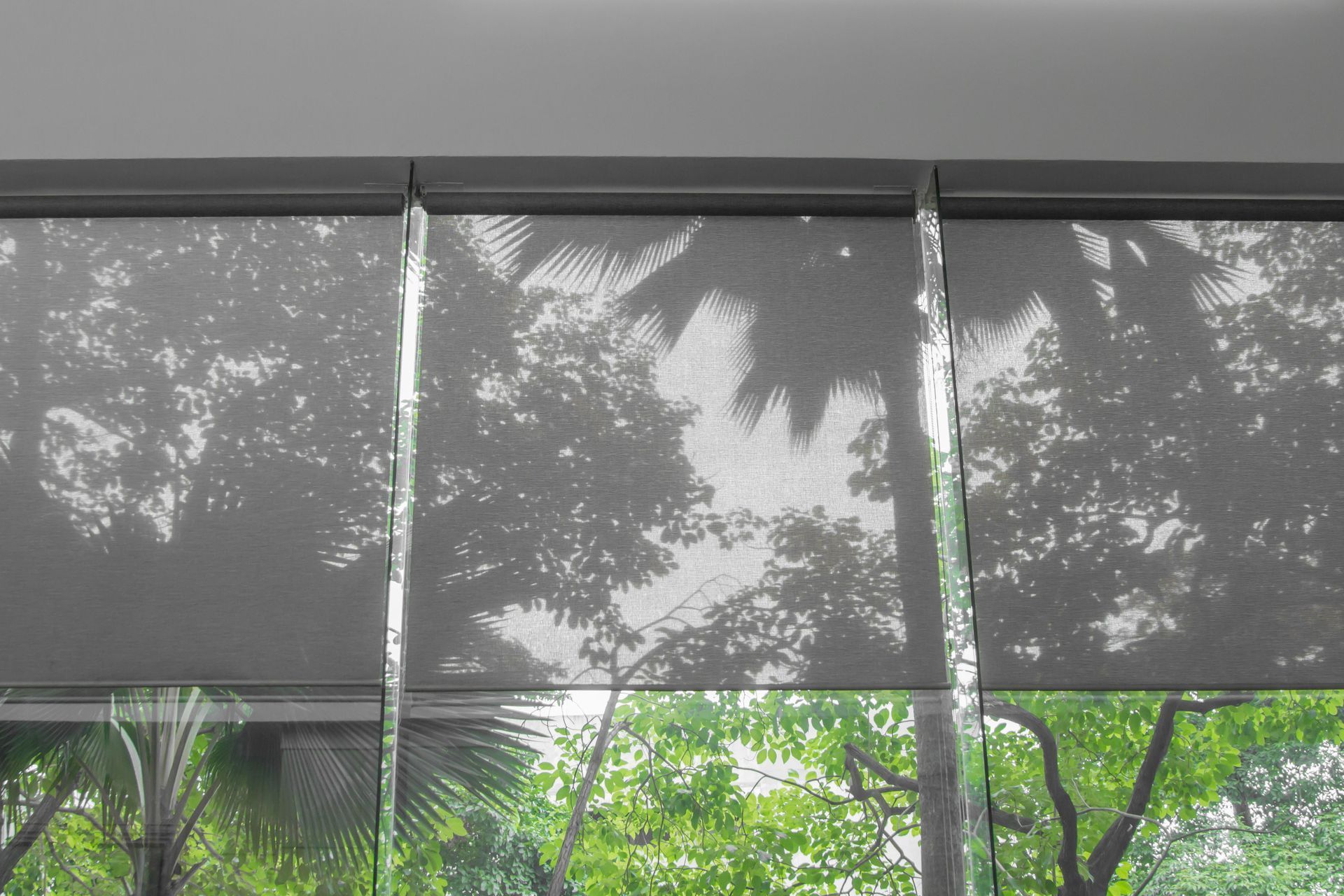
For spaces where glare and harsh sunlight interfere with comfort — like a media room or a home office — one might opt for shades with a tighter weave or a blackout lining to minimize light penetration. In other rooms where you would like to preserve a sense of openness and allow natural light to permeate while still diffusing direct rays, a lighter fabric or semi-opaque shade might be ideal. Bedrooms often demand near-complete darkness for restful sleep, which makes blackout shades or room-darkening options highly appropriate. In dining areas or living rooms, shades that softly filter daylight can maintain a bright, airy ambiance without sacrificing privacy after sundown.
By aligning the light control and privacy profile of a space with the right shade style, you ensure that each room's environment supports the lifestyle of its occupants — whether that lifestyle calls for serenity, brightness, or utility.
Considering Material and Style with Room Context in Mind
After determining functional requirements, it becomes essential to consider the material and style of each window shade in light of the room's context. The material choice not only impacts durability and maintenance, but also dictates how well the shade harmonizes with the room's design language and purpose.
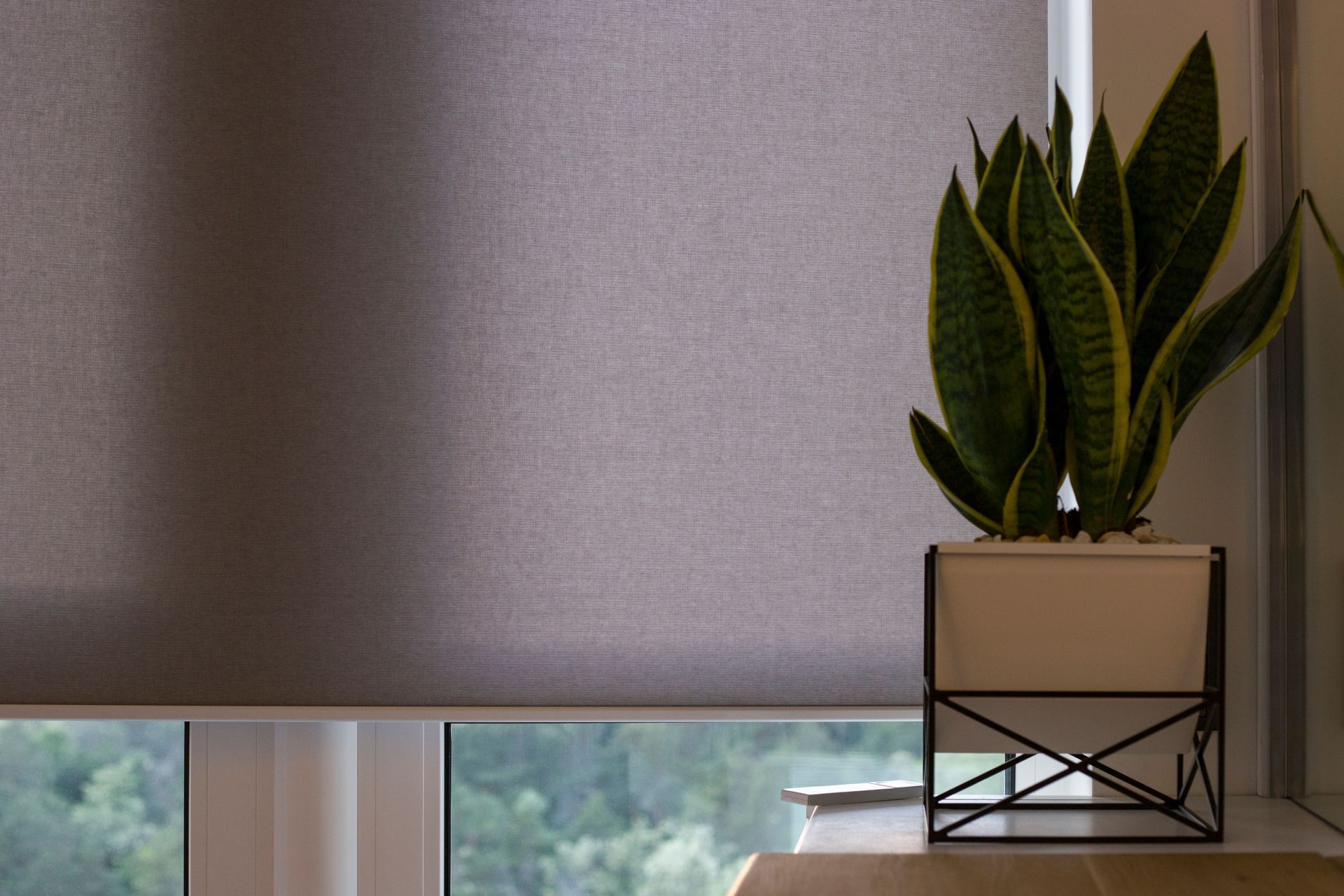
In humid or high-moisture spaces such as bathrooms or kitchens, vinyl-coated shades or moisture-resistant faux-wood blinds may outperform fabric-based alternatives, because they resist warping and mold better. Living areas and bedrooms often benefit from textured fabrics or natural fibers that contribute warmth and softness, enhancing the feeling of comfort. Meanwhile, a home office or a modern minimalist space might call for sleek, clean-lined shades — roller shades or cellular shades with neutral tones that integrate seamlessly with contemporary décor.
Material choices also influence insulation and energy performance. Dense fabrics or cellular shades with insulating cores can help moderate indoor temperatures by reducing heat transfer through windows. This becomes particularly relevant when considering efficiency improvements across the home.
Incorporating Energy Efficiency and Climate Control Considerations
Selecting window shades isn't only about aesthetics or light control; it's also about managing energy consumption and indoor climate. Windows are typically a weak point in a building's thermal envelope. Without proper shading, they can become conduits for unwanted heat gain during warm months, and heat loss during cooler months.
In this regard, window shades with insulating properties — such as cellular shades with honeycomb structures — are particularly valuable. When lowered, they create an additional buffer that traps a layer of air, reducing thermal conduction through the window. Using such shades can contribute to lower utility bills, more stable indoor temperatures, and improved comfort.
It's important to recognize just how significant the impact of sunlight through windows can be: According to the U.S. Department of Energy, in cooling seasons, about 76% of sunlight that falls on standard double-pane windows enters to become heat. By investing in high-performance shading solutions, homeowners can mitigate this heat gain, reducing the burden on air conditioning systems and enhancing overall energy efficiency.
Selecting shades with reflective or light-colored backings, or pairing shades with window films or insulated drapery, can further improve thermal performance. In rooms exposed to prolonged direct sun — such as south- or west-facing living rooms — these considerations become especially critical to maintaining a comfortable and energy-efficient environment.
Matching Room Identity and Lifestyle with Shade Aesthetic
Beyond function and efficiency, the shades covering each window contribute to the mood, identity, and overall brand of a room. When deciding on window shades for various rooms, it's essential to factor in how shade aesthetics align with lifestyle needs, décor themes, and long-term adaptability.
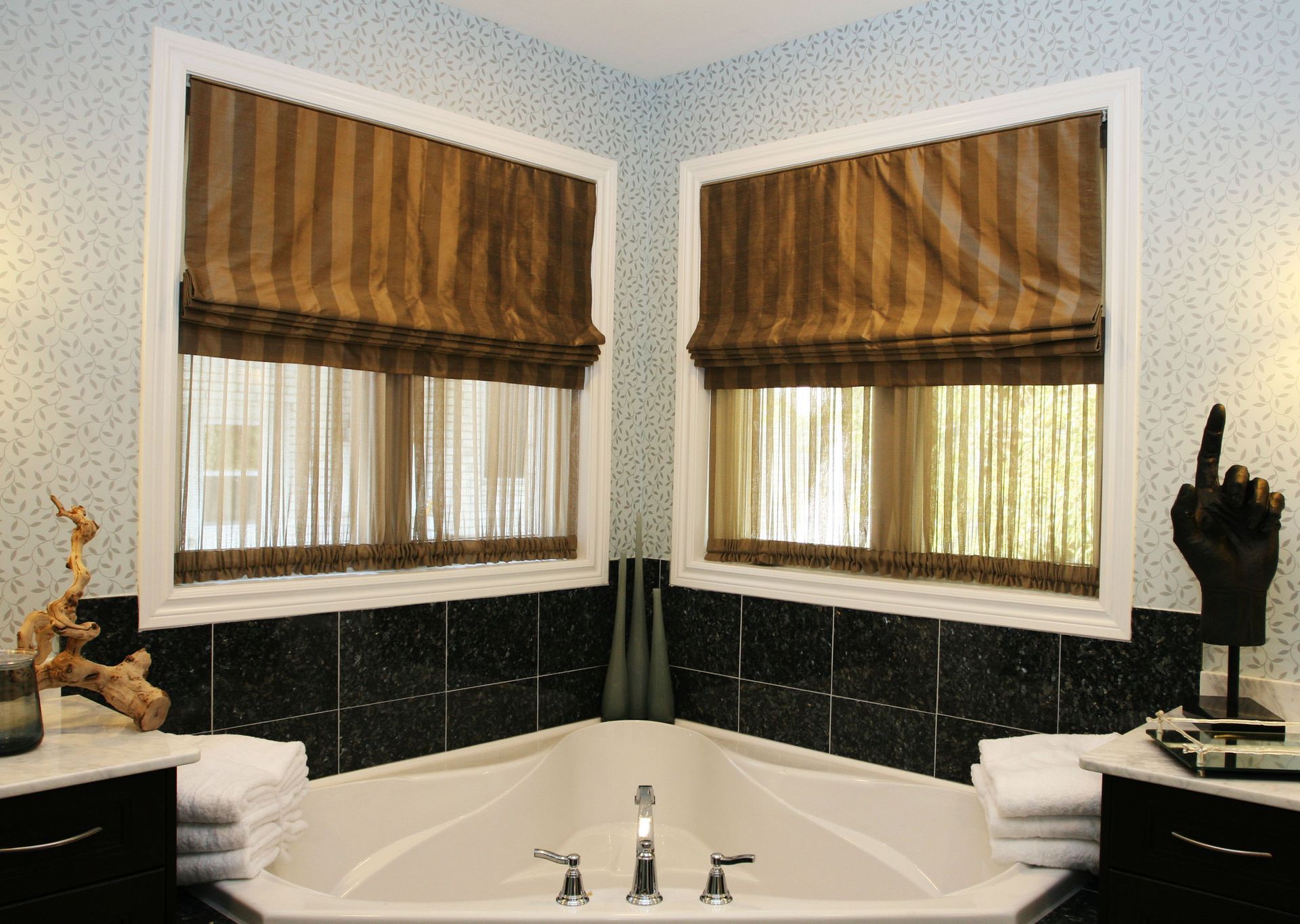
In children's rooms or nurseries, durable and washable shades may be more practical than delicate fabrics. In formal dining rooms or elegant entertaining spaces, tailored shades or Roman shades in rich textures and colors can elevate the ambiance. For open-concept lofts or urban apartments, minimalist designs — roller shades or motorized blackout shades — support clean lines and easy operation. Home offices might benefit from shades that project professionalism: neat, unobtrusive, and effective at reducing glare without sacrificing style.
For many households, flexibility is also important. Shades with adjustable slats or layered fabrics offer multiple modes — when you want privacy, let less light in; when you want openness, roll them up. This versatility ensures that window shades not only serve immediate needs, but evolve with changing use patterns over time. In shared living spaces or multi-use rooms, such flexibility translates into long-term value.
Tailoring Selection to Specific Rooms for Maximum Effectiveness
Having considered the functional, material, energy, and aesthetic dimensions, it's time to tailor shade selection on a room-by-room basis — customizing deployment so each space operates optimally within its intended role.
For bedrooms, prioritize blackout or room-darkening shades that reduce light intrusion and enhance privacy. Fabrics should be durable yet soft, contributing to a restful atmosphere. If the room receives strong morning sunlight, consider shades with blackout backing for restful evenings and cool mornings.
In living rooms or family rooms, choose shades with adjustable opacity — lighter fabrics or semi-opaque designs that allow daylight without glare, while offering privacy in the evening. Shades that coordinate with the room's color palette and furniture will contribute to a cohesive, welcoming environment.
Home offices demand a balance: shades should mitigate glare on screens, while permitting enough natural light to reduce eyestrain and energy costs during daylight hours. Roller shades or cellular shades with neutral tones often perform well here.
Kitchens and bathrooms benefit from shades that resist humidity and are easy to clean. Materials like vinyl, faux wood, or moisture-resistant synthetics are ideal, and shades should have simple lines and minimal frills to facilitate maintenance and hygiene.
Finally, shared or multipurpose spaces — such as a guest room, playroom, or home gym — may require shades with mixed functionality: easy operation, durability, and moderate light control. In such rooms, mid-range shades with balanced fabric density and neutral styling often deliver the best overall value.
Finalizing Your Decision with Confidence and Strategic Value
When the time comes to finalize your decision, adopt a strategic mindset: view window shades not just as décor or window dressings, but as integral components of a home's performance, comfort, and long-term value proposition. Evaluate shades across a matrix of criteria: functional fit for each room, light and privacy control, material durability, energy efficiency, aesthetic cohesion, and maintenance requirements.
Prioritize window shades that satisfy the highest number of criteria for each room — even if that means different styles throughout the home. Embrace variety with intentionality, rather than forcing a one-size-fits-all aesthetic across disparate spaces. Recognize that the investment in proper shades pays dividends not only in comfort and privacy, but in energy savings, maintenance ease, and alignment with evolving lifestyle needs.
Furthermore, consider timing and scalability. Many shade providers allow staged implementation: begin with the most critical rooms — bedrooms, living room, home office — then expand to bathrooms, guest rooms, kitchens as budgets and needs permit. This phased approach ensures that you deliver noticeable improvements early, then expand coverage without undue strain on time or money.
In closing, thoughtful selection and deployment of window shades represent a high-impact, low-friction upgrade with far-reaching benefits. By systematically assessing each room's distinct needs, aligning shade styles and materials with those needs, accounting for energy performance, and attending to the room's identity and usage patterns, you can curate a shading solution that elevates comfort, efficiency, and style throughout your home. With this structured, strategic approach, you can move forward with confidence — ensuring that every set of window shades in your dwelling contributes both to present-day livability and long-term value. If you're looking for new window shades, contact Modern Shade today.