Discover how motorized window shades pair with energy-efficient windows to cut winter heat loss, manage solar gain, and boost year-round indoor comfort.
Exterior roller shades prove far more effective at keeping living spaces cool and reducing overall heat gain than interior shades. Keep reading to learn more.
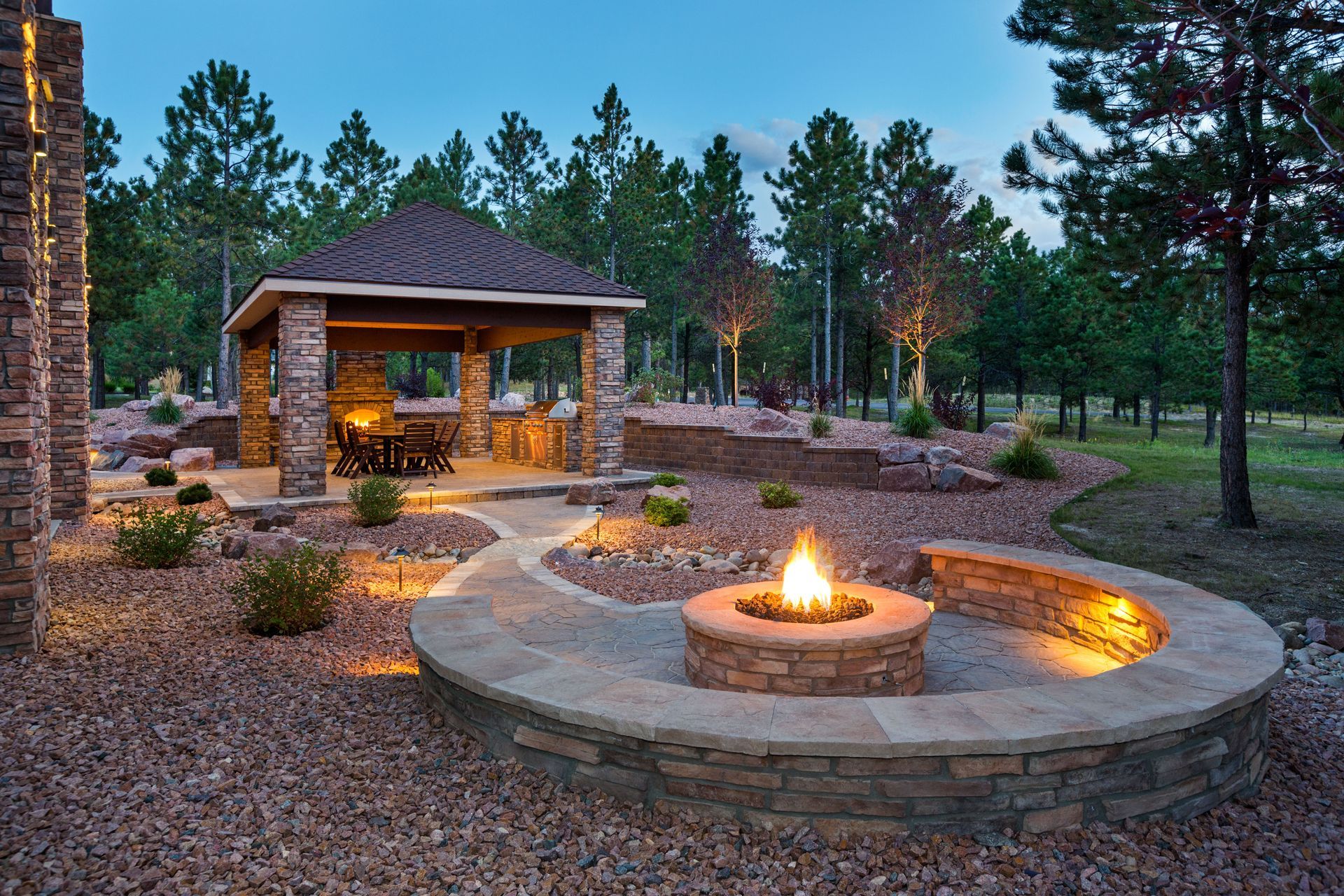
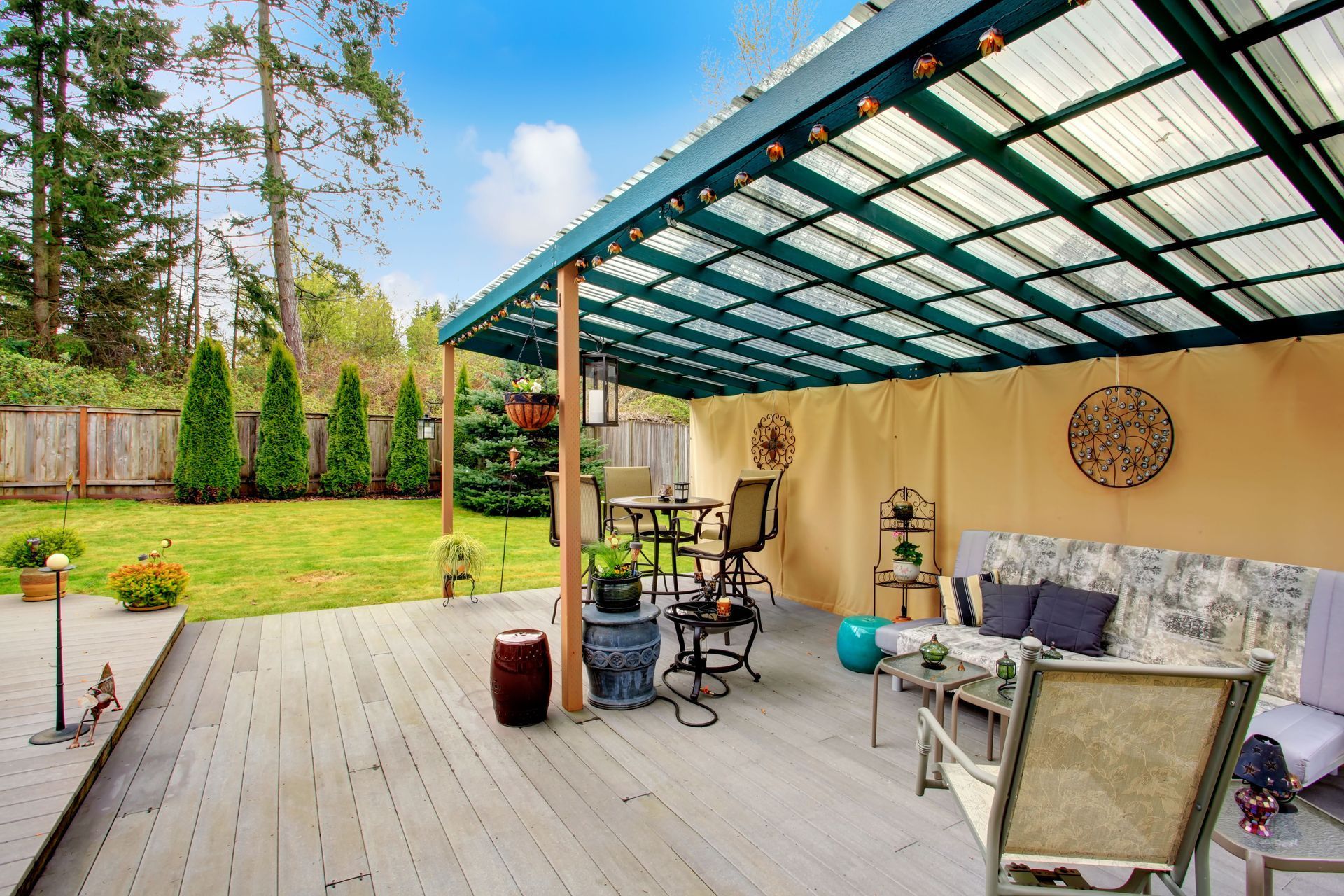
Creating an inviting outdoor living space requires more than comfortable furniture and attractive landscaping. The right combination of lighting, heating, and shade can transform a patio, deck, or backyard into a functional extension of your home. Whether entertaining guests or enjoying a quiet evening outside, thoughtful design makes outdoor spaces more enjoyable throughout the year. At Modern Shade, we understand the importance of balancing comfort, functionality, and appearance. From adjustable shade structures to integrated lighting, homeowners have numerous options for creating versatile outdoor environments. Motorized pergolas offer a convenient way to manage sunlight while complementing other outdoor features. Choosing Outdoor Lighting for Comfort and Functionality Outdoor lighting improves visibility, highlights architectural features, and establishes a welcoming atmosphere. Selecting appropriate fixtures helps create a space that remains functional after sunset. Selecting Lighting for Different Outdoor Areas Different areas benefit from different lighting arrangements. Pathway lights illuminate walkways, while wall-mounted fixtures provide visibility around entrances and seating areas. Pendant lights create attractive focal points above outdoor dining tables. Accent lighting highlights landscaping and architectural details. Combining several fixture types establishes a cohesive appearance without overwhelming the space. Incorporating Layered Lighting for Better Visibility Layered lighting combines ambient, task, and accent illumination to accommodate different activities. Ambient lighting establishes general brightness, while task lighting provides focused illumination for dining and food preparation. Accent lighting adds visual interest by emphasizing selected features. Professional lighting design balances these layers while minimizing glare and unwanted shadows. Integrating Smart Lighting for Convenient Control Smart lighting systems offer adjustments through compatible applications, timers, and automated controls. Homeowners can change brightness, establish schedules, and manage certain fixtures remotely. Energy-efficient LED fixtures provide another advantage through reduced electricity consumption and long service life. When paired with motorized pergolas, integrated lighting can support outdoor gatherings after dark. Choosing Outdoor Heating for Seasonal Comfort Outdoor heating extends the usefulness of patios during cooler weather. Selecting an appropriate system depends on available space, local conditions, and intended activities. Comparing Heating Options for Outdoor Spaces Patio heaters, electric heating systems, and outdoor fireplaces offer different benefits. Freestanding patio heaters provide flexible placement, while professionally mounted electric heaters deliver targeted warmth without occupying floor space. Fireplaces and fire pits create inviting gathering areas, although their placement requires careful consideration of surrounding structures and combustible materials. Prioritizing Safety With Professional Installation Outdoor heating equipment must be installed according to manufacturer specifications and applicable safety requirements. Proper clearance, ventilation, and electrical connections are essential for reliable operation. Professional installation is particularly important when incorporating heaters near covered patios or pergola structures. At Modern Shade, we encourage homeowners to consider equipment compatibility and safety requirements before finalizing their designs. Coordinating Heating With Outdoor Design Heating equipment should complement surrounding architecture rather than disrupt the space's appearance. Carefully selected finishes, mounting locations, and equipment dimensions contribute to a unified design. Combining heating equipment with adjustable shade structures supports seasonal versatility. However, compatibility must be verified before heaters are installed near overhead coverings. Choosing Shade Structures for Flexible Outdoor Living Shade structures help manage sunlight and improve comfort during warmer months. Modern solutions provide different levels of coverage, customization, and convenience. Comparing Different Outdoor Shade Solutions Umbrellas, retractable awnings, and pergolas offer distinct advantages. Umbrellas provide portable coverage, while retractable awnings extend shade over patios and seating areas. Pergolas introduce architectural character while defining gathering spaces. Motorized pergolas provide adjustable overhead coverage, allowing homeowners to respond to changing sunlight without manually repositioning large coverings. Understanding the Growing Demand for Outdoor Shade Homeowners increasingly recognize the importance of comfortable outdoor environments. According to a consumer survey by the International Casual Furnishings Association, 27% of U.S. households planning outdoor upgrades intended to add shade features such as umbrellas, pergolas, and awnings. This finding highlights the importance of shade in outdoor improvement plans. Adjustable solutions allow homeowners to accommodate different activities and changing weather conditions. Customizing Shade for Different Outdoor Areas Every outdoor space has unique dimensions, architectural characteristics, and sunlight exposure. Custom shade solutions accommodate these differences while maintaining visual consistency. For example, motorized pergolas can be incorporated into outdoor dining areas, lounge spaces, and patios where adjustable coverage is desirable. Professional planning determines appropriate dimensions, placement, and structural requirements. Maintaining Shade Structures for Long-Term Performance Professional inspections and manufacturer-recommended maintenance preserve the appearance and operation of outdoor shade structures. Important considerations include mechanical components, drainage, weather exposure, and surface finishes. Qualified technicians can inspect automated operating mechanisms and address performance concerns before they become more significant. Combining Outdoor Features for Year-Round Versatility A successful outdoor design considers how lighting, heating, and shade work together. Coordinating these elements creates an environment that accommodates different seasons and activities. Adapting Outdoor Spaces to Seasonal Changes Summer gatherings require dependable shade and airflow, while cooler evenings may benefit from supplemental heating. Adjustable overhead coverage provides flexibility as conditions change. Motorized pergolas help homeowners manage direct sunlight during warmer periods and adjust overhead coverage when conditions permit. Their operation should follow manufacturer guidance, particularly during severe weather. Creating Spaces for Multiple Activities Outdoor areas frequently serve several purposes, including dining, entertaining, and relaxation. Thoughtful layouts establish dedicated zones without making the space feel divided. Lighting distinguishes dining areas from lounges, while strategically positioned shade structures provide comfortable coverage. Flexible furniture arrangements support gatherings of different sizes. Coordinating Technology Across Outdoor Features Automated controls simplify the operation of compatible lighting and shade systems. Depending on the equipment selected, homeowners may establish schedules or manage features through centralized controls. Integrating motorized pergolas with compatible lighting systems creates opportunities for convenient adjustments throughout the day. Professional system selection ensures components operate as intended. Planning Outdoor Layouts for Style and Functionality Effective outdoor planning begins with understanding how the space will be used. Layout, furniture placement, and architectural features should support everyday activities. Evaluating Available Space and Movement Patios and decks should provide comfortable circulation between entrances, seating areas, and gathering spaces. Structural features must be positioned without obstructing important walkways. Professional assessments identify appropriate locations for permanent shade structures while accounting for surrounding buildings, drainage, and installation requirements. Balancing Appearance With Practical Features Outdoor improvements should complement the home's architectural style. Consistent finishes, coordinated materials, and appropriately sized fixtures create a cohesive appearance. Motorized pergolas are available in configurations that complement contemporary and traditional outdoor environments. Choosing suitable materials and finishes establishes a design that feels connected to the home. Personalizing Outdoor Living Areas Personal touches make outdoor environments more welcoming. Comfortable furnishings, decorative planters, and thoughtfully selected lighting contribute to a distinctive atmosphere. At Modern Shade, we believe outdoor spaces should reflect how homeowners live. Considering personal preferences alongside practical requirements creates environments that remain enjoyable over time. Incorporating Sustainable Features Into Outdoor Design Sustainability matters when selecting outdoor improvements. Durable materials, efficient lighting, and thoughtful equipment choices support responsible long-term use. Selecting Energy-Efficient Outdoor Equipment LED lighting consumes less electricity than traditional incandescent lighting and typically requires less frequent replacement. Timers and automated controls can reduce unnecessary operation. When selecting outdoor heaters, homeowners should compare equipment efficiency, energy sources, and expected usage rather than relying solely on appearance. Choosing Durable Materials for Outdoor Structures Outdoor structures must withstand sunlight, moisture, and changing temperatures. Materials selected for their intended environment help reduce premature deterioration. Professional product selection considers finish quality, maintenance requirements, and manufacturer warranties. Durable components contribute to dependable performance and lasting visual appeal. Supporting Long-Term Outdoor Comfort A well-designed outdoor environment balances immediate comfort with long-term functionality. Appropriate shade coverage, reliable lighting, and compatible heating equipment help homeowners enjoy their spaces across different seasons. For homeowners interested in motorized pergolas, professional guidance is valuable when comparing features, evaluating installation requirements, and coordinating additional outdoor improvements. At Modern Shade, we're committed to helping homeowners explore shade solutions that complement their outdoor living goals. Contact our team to discuss how thoughtfully selected shade structures can enhance your patio, deck, or backyard while creating a comfortable place to gather, relax, and entertain.